STARTED: 2025
MATERIALS: Paper, wood, photogrammetry, mixed-media
BUILT IN: Godot Game Engine
OUTPUT: Environments, models, documentation, research
STATUS: In development
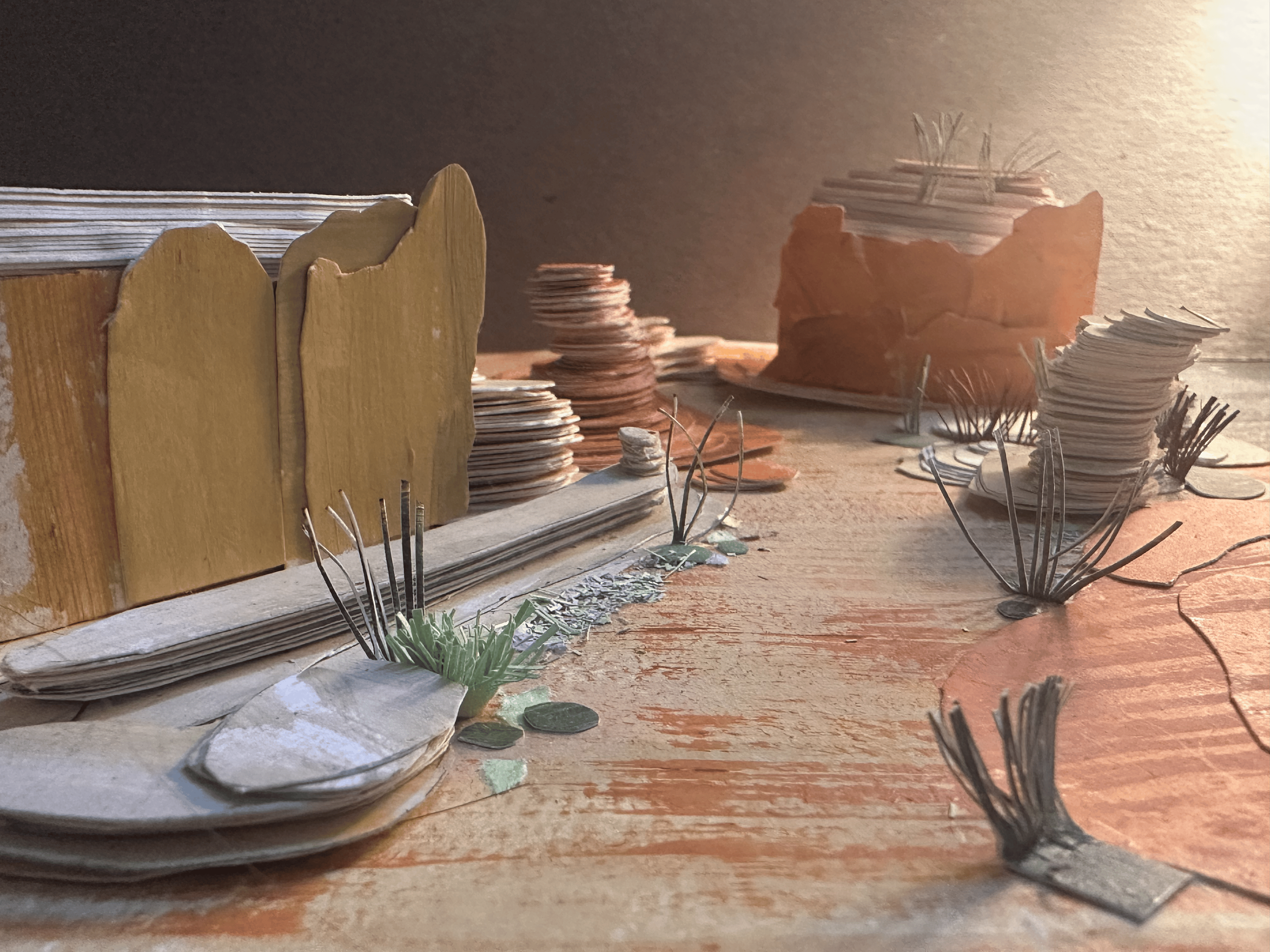
Paper model, Photograph
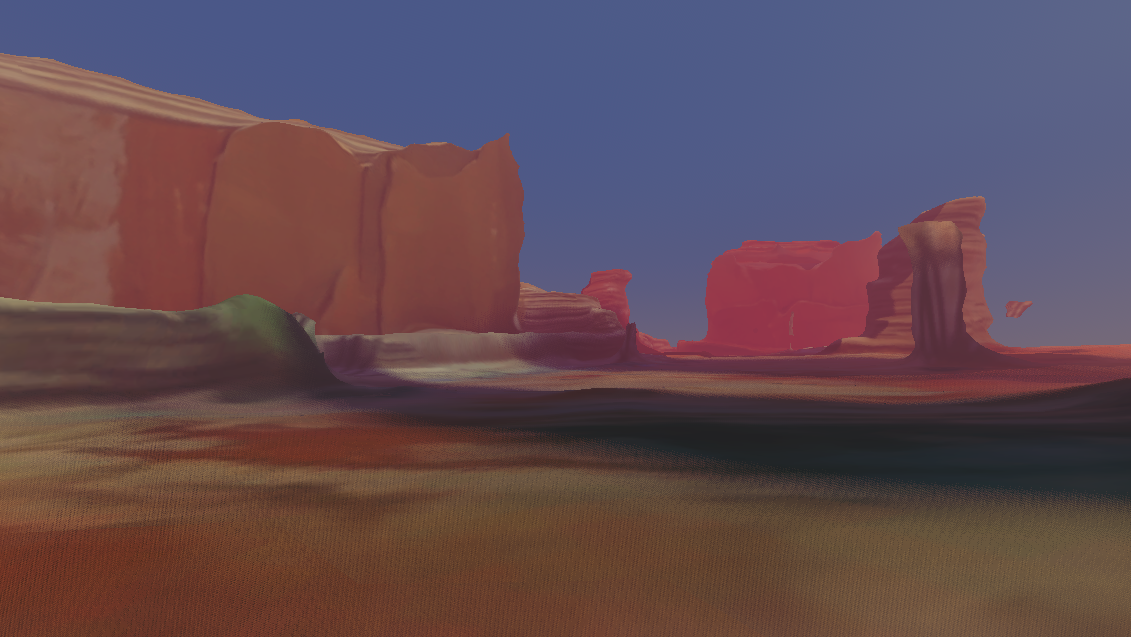
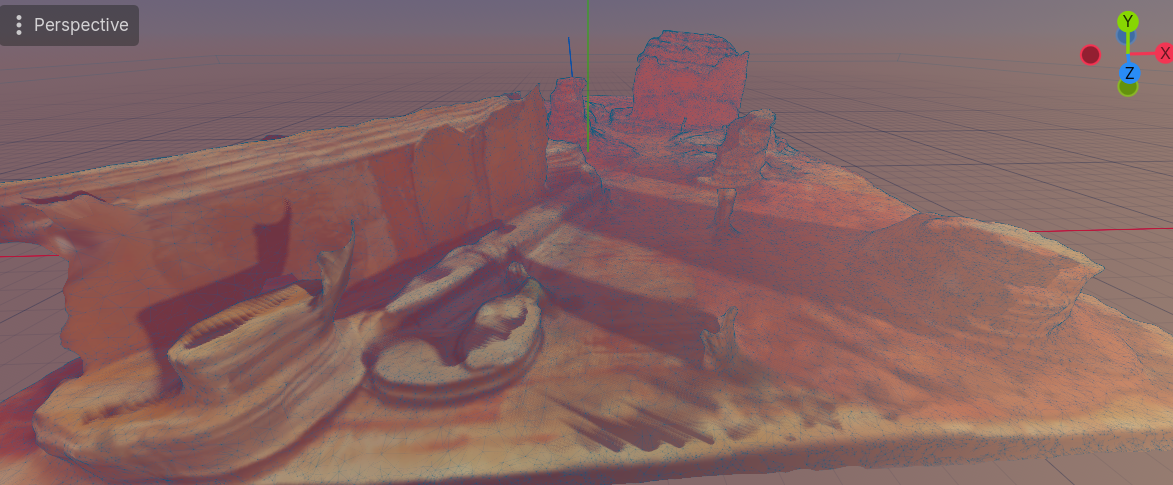
3D scan, Rebuilt in Godot Engine
While working on several stop-motion projects I built up a collection of sets: landscapes, bedrooms, domestic spaces, outdoor environments. Looking at all of them together, a familiar childhood urge came back, of playing with dollhouses and wishing I could shrink down and walk around inside them. That wish led me to photogrammetry and 3D scanning. Then I needed a way to actually walk through them, which led me to Godot.
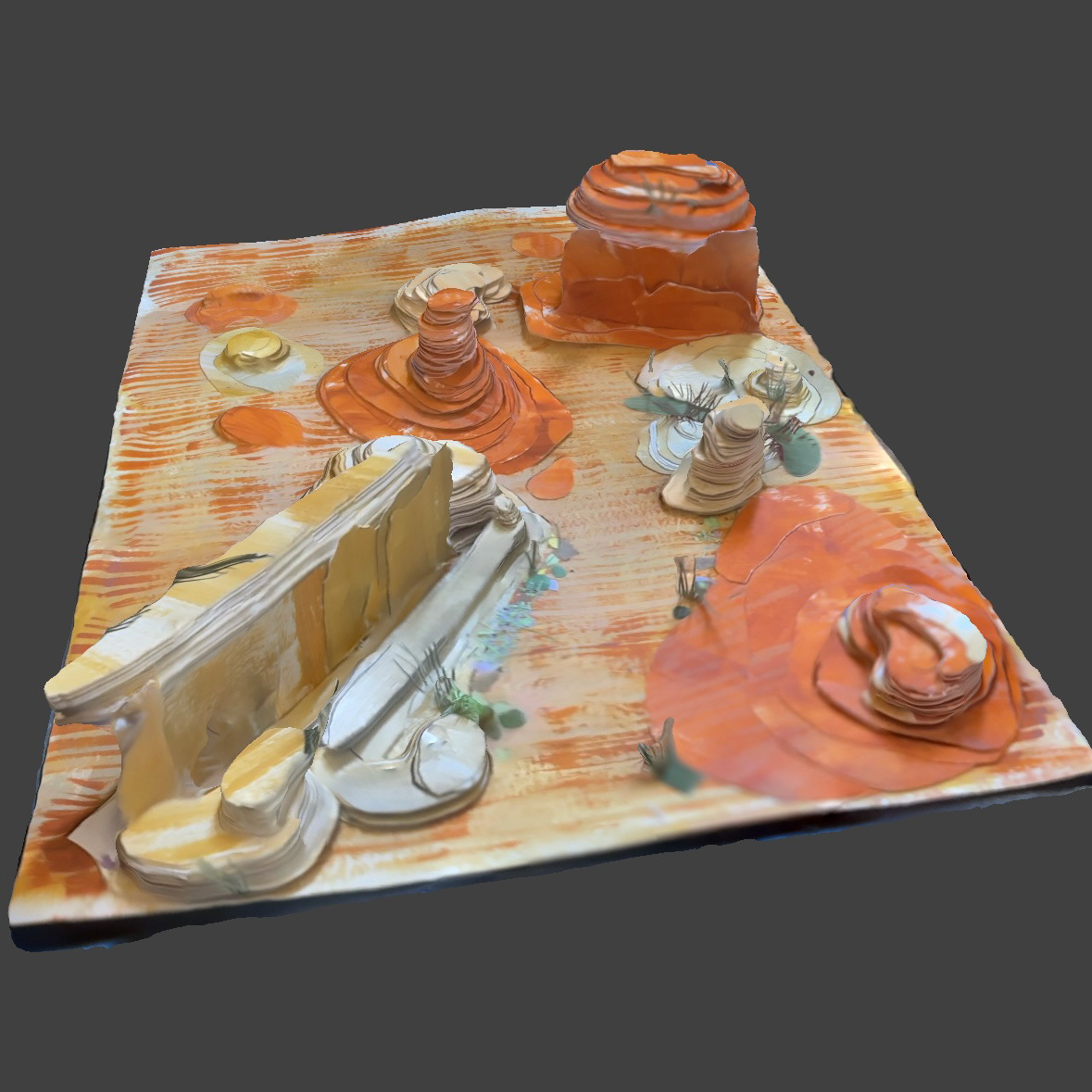
3D Scan of desert model
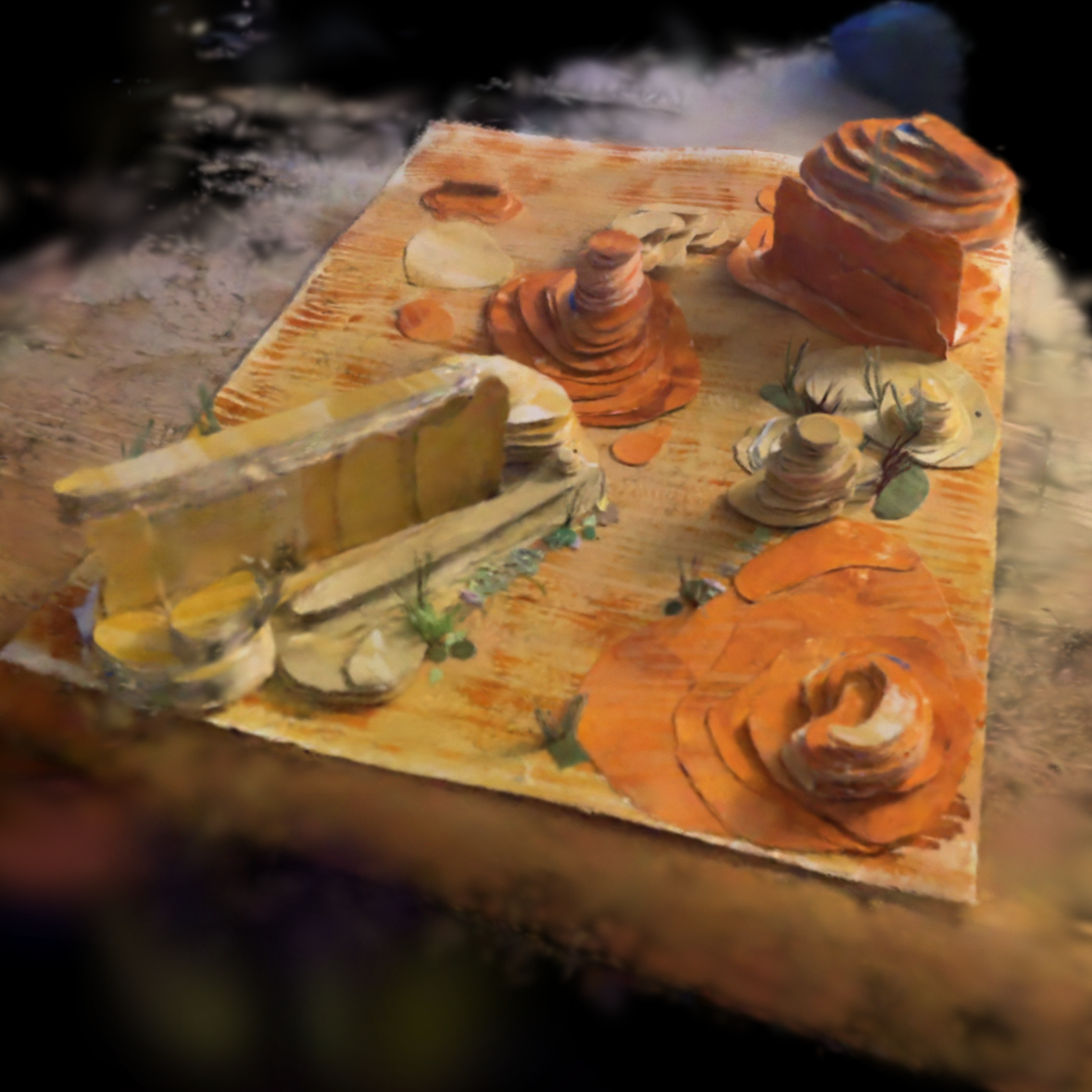
Gaussian Splat of Model
The first sets I scanned were from Past Your Bedtime, my thesis film, and a set I'd built as a concept for Mailings. Both projects were about childhood perception. I scanned them and walked around in them.
The desert landscape was my next project. I built this model specifically to scan, from memory. I had recently been on a road trip through the American Southwest, and had noted down which details stood out to me, what patterns repeated and what aspects made me feel small. After I scanned it, there were many errors and missing chunks, the depth collapsed and a lot was obscured. I changed the lighting, made changes to my models and scanned it again, trying to get an accurate capture.
I tested multiple methods of creating the digital copies. Photogrammetry and Gaussian Splatting. Each had their own strengths and parameters. Each had restrictions and features that worked with my experiments with memories.
While noting down the missing pieces and obscured bits, I made the connection between memory and inaccurate representations. The model had never been accurate either, it was built from memory. It blurred, squished, stretched and rearranged things in an uncontrollable way. The remembered place felt right because of how it made me feel, not how accurately it was portrayed. The scan did to the model, what my memory did to the place.
"ERRORS" "Memories"
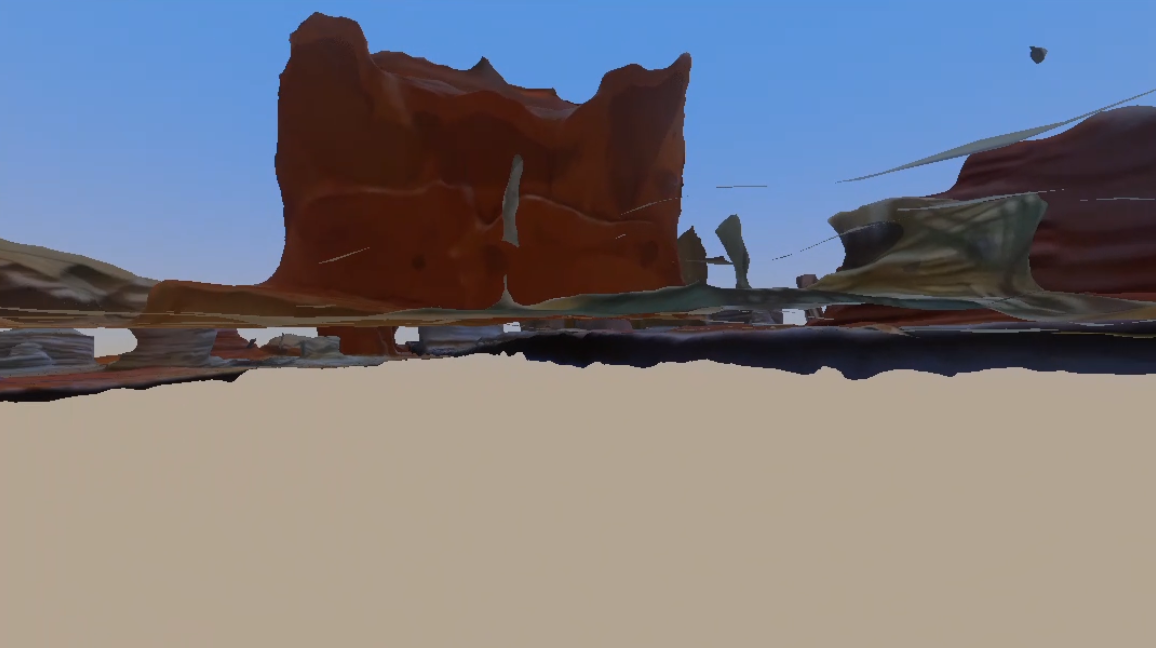
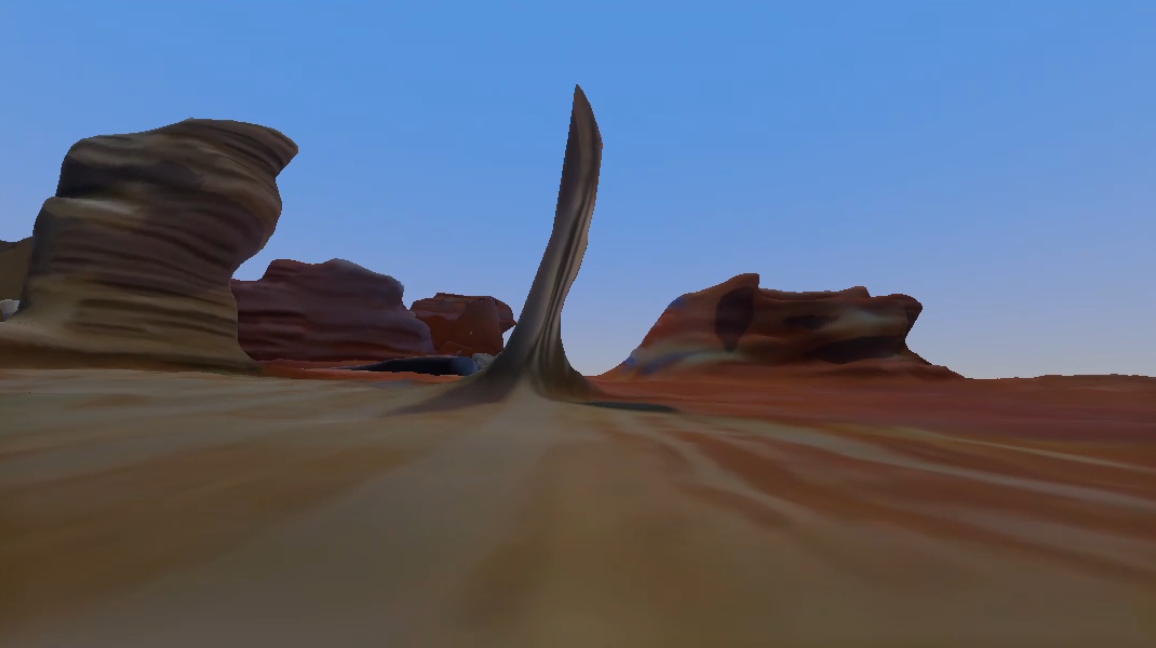
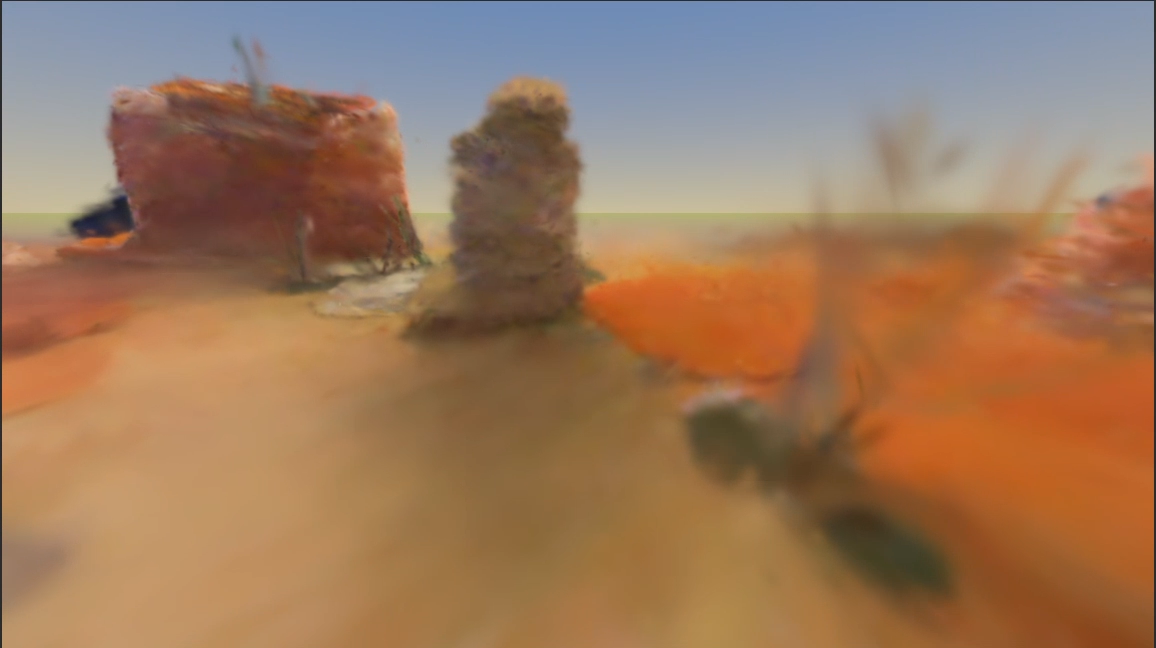
I kept the "errors" and tried to find meaning in them.
What I aim to find out is where the same model fails the same way twice, which change could more accurately define the memory, what survives and what vanishes, and whether the lack in control of the final representation helps the work or gets in the way.
Creating a more immersive experience. How much control is too much?
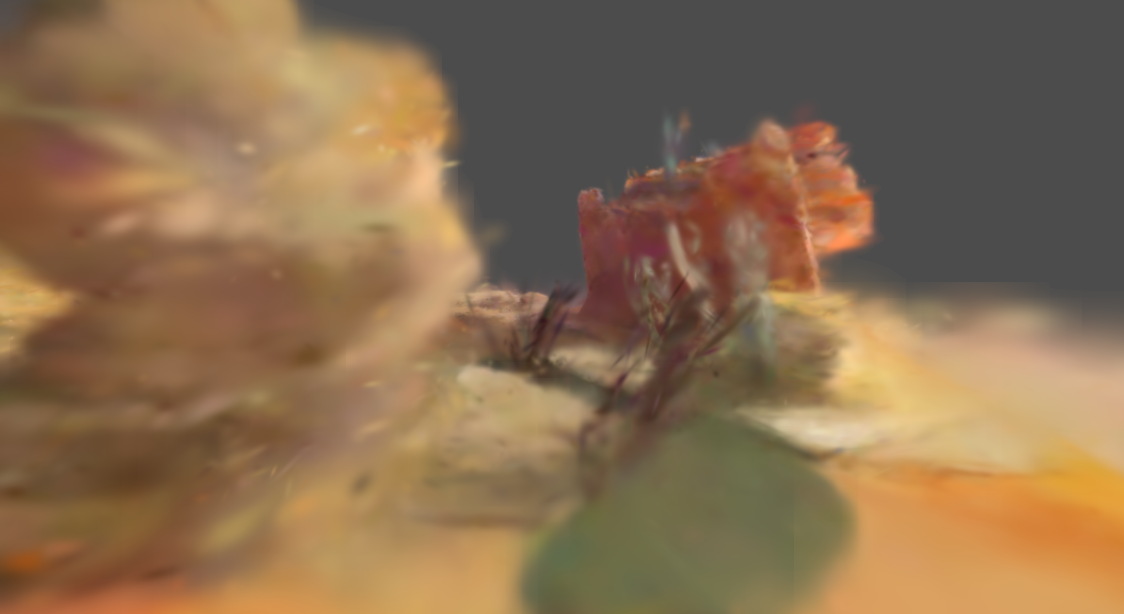
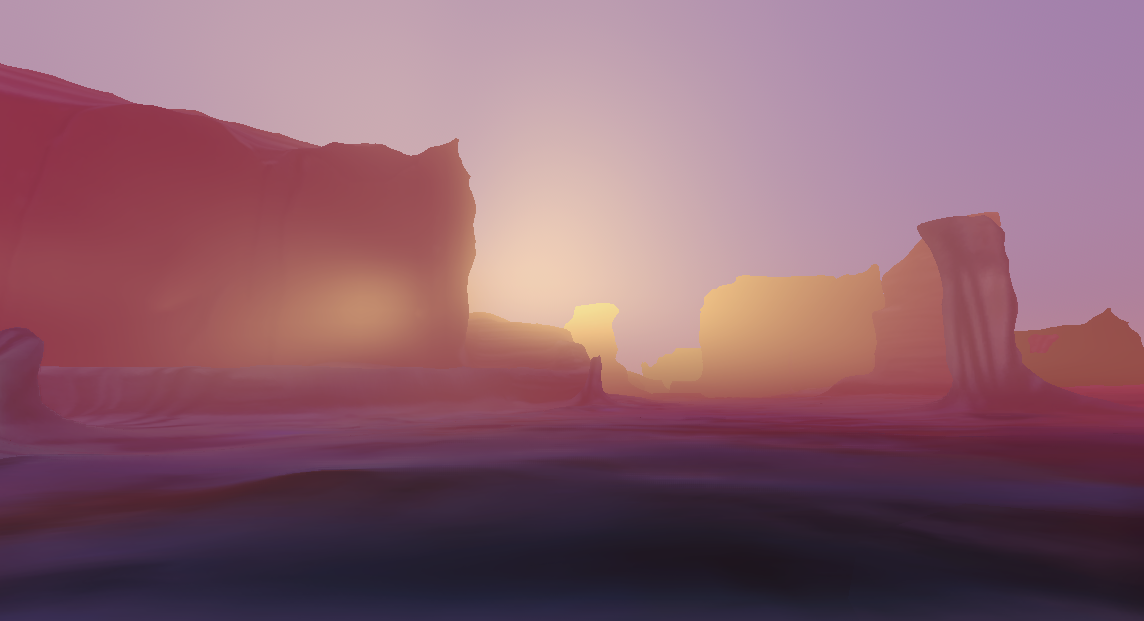
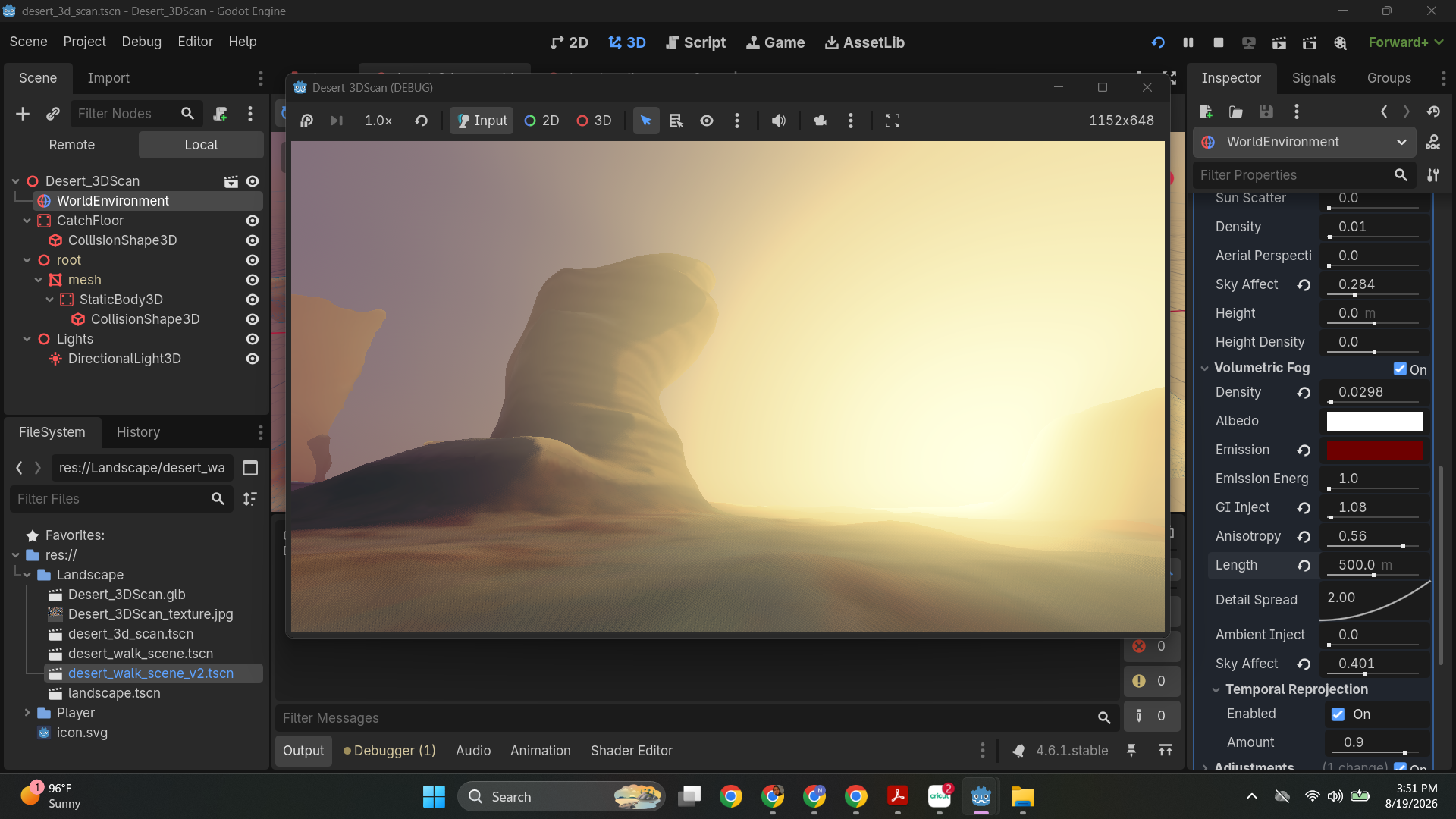
The models made with photogrammetry allowed me to have editable assets and needed a greater level of human interference to recreate the memory, while the gaussian splat had greater detail and vibrancy, but lacked the ability to change a lot.